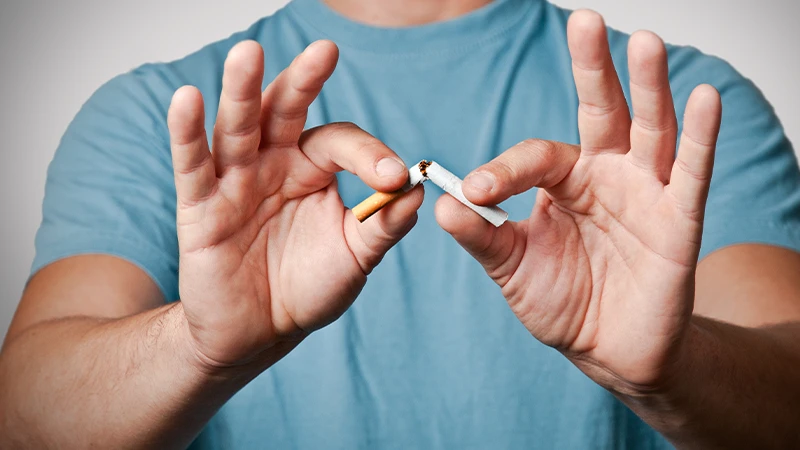

Tobacco Harm Reduction
Scientific perspectives on electronic cigarette technology and safety
Instead of combustion, e-cigarettes heat an e-liquid solution, creating an aerosol. This process eliminates tar and carbon monoxide, focusing on nicotine delivery systems and potential long-term respiratory effects versus chronic chemical exposure.
Analyzing the physiological impact of e-cigarette aerosol inhalation

Comparative toxicity levels between vaping and traditional smoking
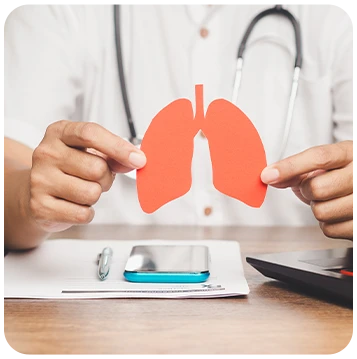
Cardiovascular responses to nicotine, the primary addictive agent, remain a factor. Users should monitor heart rate and blood pressure, as dependency can influence physiological baselines.
” Eliminating the combustion process represents the primary factor in reducing biological stress on the body “
- Reduced carbon monoxide levels
- Absence of solid tar particles

Understanding the chemistry of vape juice and aerosols

Propylene glycol characteristics
This thin, odorless fluid carries flavor effectively and provides the “throat hit,” mimicking the physical feel of combustible tobacco inhalation.

Vegetable glycerin properties
Responsible for aerosol density, this thicker substance creates substantial vapor clouds. High-VG ratios offer a smoother inhalation, ideal for direct-to-lung vaping devices.

Flavoring compound safety
Inhalable food-grade aromas undergo strict thermal stability testing. Manufacturers must ensure these compounds remain stable when heated to prevent aldehyde formation.

Selecting Vape Mod architecture for optimal performance and safety


Adapting vaping habits for a balanced lifestyle



Social etiquette is crucial for acceptance. Avoiding use in confined public spaces respects non-users, while stealth vaping techniques reduce vapor in sensitive environments. Respecting shared air is a cornerstone of responsible vaping.
The financial aspect shifts as the initial hardware investment is amortized. Recurring costs move from daily packs to consumables like replacement coils and e-juice, often yielding long-term savings.
Strategies for gradual reduction and nicotine cessation